
If it’s free, you’re the product: menopause apps and your data, with Kate Kirkman - Middling Along
Episode summary
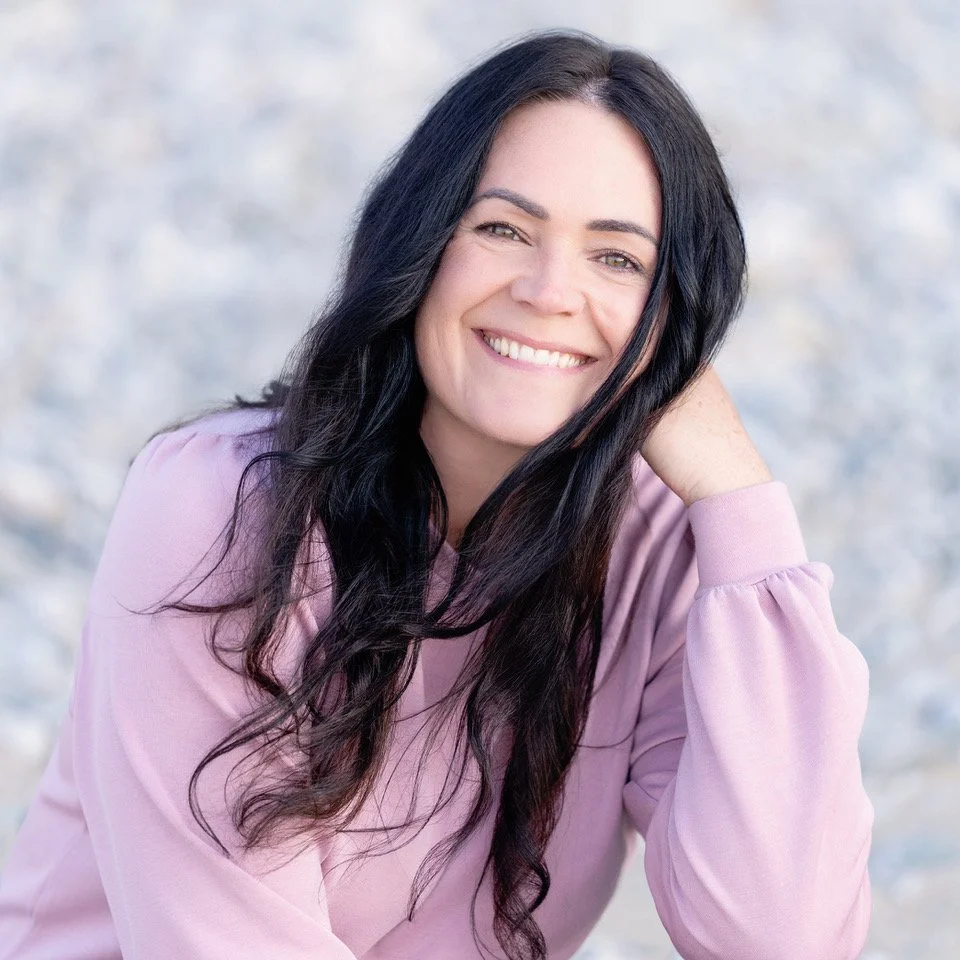
When Kate Kirkman was struggling with perimenopause, her husband Brent went looking for an app to help her track her HRT. After 25 years in IT building data loyalty programmes, he knew to read the privacy policies, and he didn’t like what he found. So they built their own app.
That app became Talia, a private symptom and HRT tracker. In this episode, Kate and Emma talk about what happens to the sensitive health data women put into menopause apps, why “free” is never really free, and how to check whether the apps on your phone deserve your trust.
In this episode we discuss
How two friends had to tell Kate she wasn’t herself before she recognised perimenopause
Why menopause awareness only lands once you realise it applies to you
How the frustration of forgetting patches and progesterone led to Talia
Independent testing of 10 menopause apps, all of which shared data with third parties, often as soon as the app was opened and before any sign-up
What SDKs (software development kits) are and how they quietly send data back to their own servers
Data brokers, profiling, targeted advertising and surveillance pricing
Why where your data is stored matters, including apps whose servers sit outside UK/EU GDPR protections
Research from Royal Holloway on how health app data could affect employment and health insurance
Forced consent, blanket consent, and data kept for up to seven years after you ask for it to be deleted
Why privacy policies and app “badges” don’t guarantee what really happens to your data
How tracking symptoms helped Kate move from patches to gel to spray, and why better data means better GP appointments
Talia’s talks with the NHS, its hope for a real-world evidence study, and its choice to stay bootstrapped and avoid investors and ad spend
How user feedback shapes the app, including a body map for rotating patch sites
Location tracking and real-time ad auctions
Key takeaways
Nothing is free. If you’re not paying for an app, ask who is, and what the trade-off is.
Opening an app can be enough to share data with third parties before you’ve signed up.
Knowing you use a menopause app is enough for data brokers to start drawing conclusions about you.
A privacy policy is a promise, not a regulation. It can change at any time, for example after new investment.
Check your apps. Peak Privacy’s site lets you see whether an app you use has been scanned and whether to trust it.
Review location permissions. Many apps track where you are in the background, even when you’re not using them.
A thought to sit with
Kate asks listeners to picture this: you’re telling your GP about your most personal symptoms, and behind a screen sit people from an advertising company and an analytics firm, taking notes. That’s the reality of many health apps.
Find Talia at talia-app.com
Find the Peak Privacy checker at stemp.li
Remember to sign up for my mailing list so you never miss an episode of Middling Along, and you’ll also get access to my Substack.