
MenoTalk – how Specsavers walk the talk in menopause support - Lou Furby - Middling Along
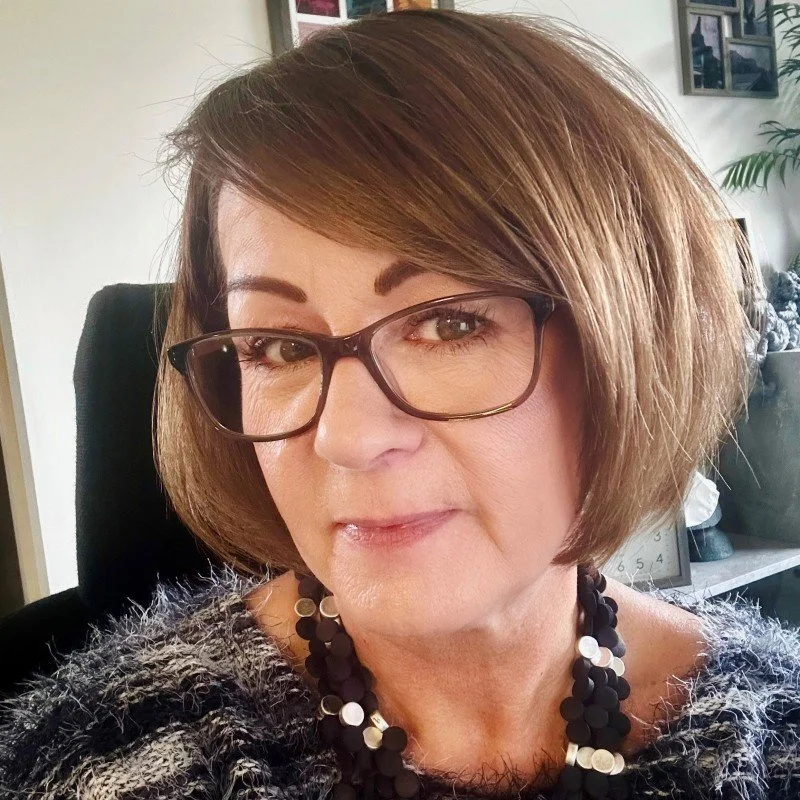
In this episode I chat to Lou Furby, Specsavers’ UK D&I lead, who shares how Specsavers built a workplace menopause support program from the ground up. We cover the creation of MenoTalk, the importance of inclusive, cross-functional involvement, the role of top-down sponsorship and allyship, practical strategies for creating a supportive workplace culture around menopause, and how to sustain momentum with education, language, and data. Packed with actionable tips for anyone aiming to start or grow a menopause-focused employee resource or wellbeing initiative.
Key quotes
“Don’t try and do it all on your own. Get the right stakeholders involved. Have a steering group, a co-chair, and a sponsor.”
“Pick off the low hanging fruit. Pick off the stuff that you can do and implement quickly.”
“It’s a war, not a battle.” (on sustaining momentum and not letting initiatives stall)
“Education and information was absolutely key.” (on the foundation for successful engagement)
“Language matters. Be direct and transparent about what menopause is.” (on avoiding euphemisms and building credibility)
“We can’t mandate everything in a joint venture, so we rely on leadership visibility and storytelling to drive engagement.”
Practical takeaways for HR & wellbeing teams:
Start with a steering group: bring cross-functional representation (HR/ER, facilities, IT, wellbeing/D&I) and appoint a co-chair to share the load.
Secure an advocate sponsor: a trusted, visible leader in the business to champion the initiative.
Listen first: let people’s needs drive the program; avoid overloading participants with campaigns before trust is built.
Use language that’s clear and factual: don’t shy away from the terminology of menopause and related symptoms.
Connect with external expertise: partner with specialists to provide credible education and resources.
Implement quick wins: pick “low hanging fruit” that deliver tangible benefits.
Align with broader wellbeing and D&I goals: link the initiative to accreditation (Wellbeing of Women Workplace pledge) and overall staff welfare programs.
Consider store-level realities: in retail, tailor adjustments to individual roles (e.g., door duty vs. back office) and support teams accordingly.
Support managers with tools and training: give managers a framework for having compassionate, validating conversations.
Provide holistic support: combine access to private care, wellbeing apps (Headspace), and flexible adjustments to support employees.
Three actionable next steps you can take
Create a cross-functional steering group and appoint a co-chair and a sponsor to lead a menopause initiative in your organization.
Sign up for the Wellbeing of Women Workplace pledge and plan an introductory menopause education session with an external expert.
Start a candid conversation with your HR/ER team about how to support line managers in having empathetic, validated conversations about menopause with their teams; aim to roll out basic manager training.
Resources:
Connect with Lou over on LinkedIn: https://www.linkedin.com/in/lou-furby-49290844/